Cursive and Semi Cursive Chinese Calligraphy: A Study in Fluidity
Evolution of Chinese Calligraphy Styles
Chinese calligraphy is a revered art form that has evolved over centuries, developing distinct styles that reflect both artistic expression and practical use. Among the mainstream types of Chinese calligraphy, cursive (草书, cǎoshū) and semi-cursive (行书, xíngshū) scripts stand out for their fluidity and dynamic movement. These styles contrast with the more structured standard script (楷书, kǎishū), offering a unique blend of speed, elegance, and personal expression. Understanding their similarities and differences provides insight into the beauty and functionality of Chinese calligraphy.
Characteristics of Cursive Chinese Calligraphy
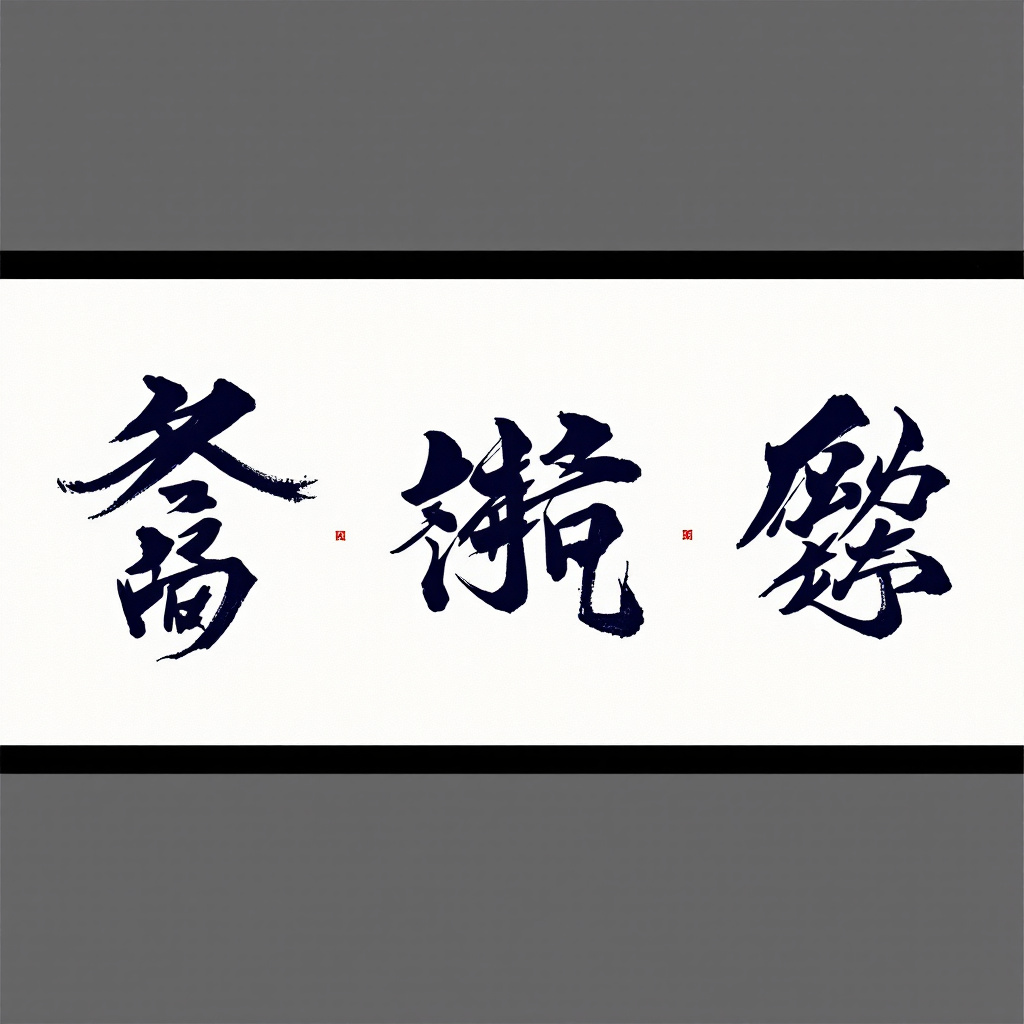
Cursive script, also known as grass script, is the most free-flowing and expressive form of Chinese calligraphy. It prioritizes speed and efficiency, often simplifying or omitting strokes while connecting characters in a continuous motion. This style allows for exaggerated brush movements, making it highly artistic but sometimes difficult to read. Historically, cursive script was used for informal writing and personal notes, but it later became a respected artistic style, with calligraphers such as Huai Su and Zhang Xu mastering its expressive potential.
Structure and Flow of Semi-Cursive Chinese Calligraphy
Semi-cursive script, or running script, serves as a bridge between cursive and standard script. It retains the readability of standard script while incorporating the fluidity of cursive strokes. Unlike cursive script, where strokes may be drastically altered or omitted, semi-cursive maintains a logical structure, making it more accessible for everyday writing. The brush leaves the paper less frequently than in standard script, creating a smooth and rhythmic flow. Renowned calligraphers such as Wang Xizhi and Yan Zhenqing have contributed to the refinement of this style, making it a popular choice for artistic and practical applications.
Comparing Cursive, Semi Cursive, and Standard Scripts
While both cursive and semi-cursive scripts emphasize fluidity, their differences lie in legibility, stroke connection, and artistic freedom.
- Standard script is precise and structured, with each stroke clearly defined.
- Semi-cursive script introduces connected strokes and a more natural flow while maintaining readability.
- Cursive script takes fluidity to the extreme, often sacrificing clarity for artistic expression.
Semi-cursive script is commonly used for formal yet expressive writing, whereas cursive script is favored for artistic calligraphy and personal expression. Both styles reflect the dynamic nature of Chinese calligraphy, allowing calligraphers to convey emotion and movement through brushwork.
Conclusion: The Beauty of Fluid Calligraphy
Cursive and semi-cursive Chinese calligraphy showcase the elegance and versatility of brushwork, offering a balance between structure and artistic freedom. Whether one seeks the expressive spontaneity of cursive script or the refined fluidity of semi-cursive script, both styles provide a gateway to deeper appreciation of Chinese culture and artistic tradition. Mastering these scripts not only enhances calligraphy skills but also fosters a profound connection to the historical and aesthetic richness of Chinese writing.