
Chinese Calligraphy Art: The Elegance of Semi-Cursive Script
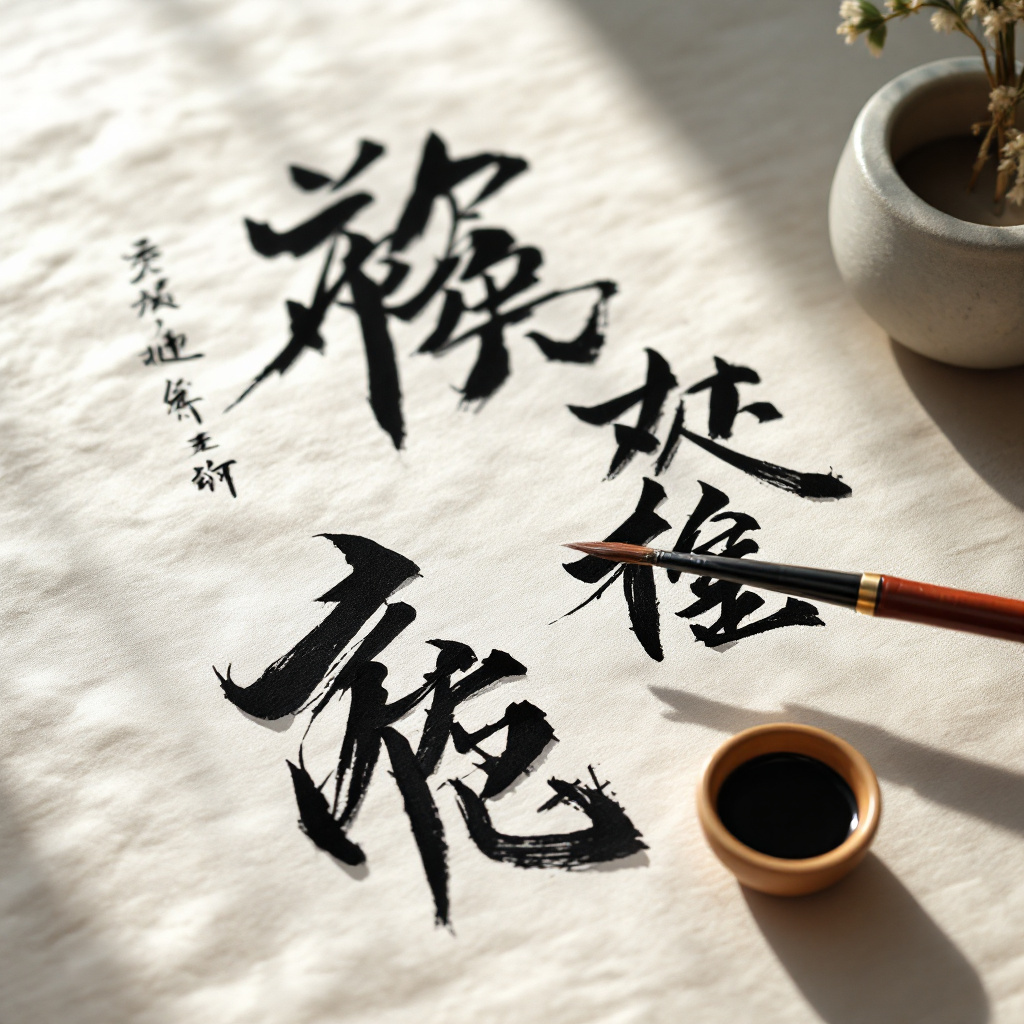
The Essence of Chinese Calligraphy
Chinese Calligraphy Art is more than just writing—it is a revered tradition that embodies history, culture, and artistic expression. Rooted in ancient China, calligraphy has evolved into various styles, each reflecting the personality and skill of the artist. Among these, the semi-cursive script (行书, xíngshū) stands out for its fluidity and balance, bridging the gap between formal and cursive styles. Learning semi-cursive Chinese calligraphy offers a unique opportunity to engage with this art form while refining one’s technique and appreciation for its aesthetic beauty.
Understanding Semi-Cursive Chinese Calligraphy
Semi-cursive script, also known as “running script,” is a dynamic style that allows strokes to flow naturally, creating a harmonious rhythm. Unlike standard script, where each stroke is distinct, semi-cursive calligraphy connects strokes seamlessly, making it more expressive and efficient. This style is particularly favored for personal writing and artistic compositions, as it maintains readability while showcasing the artist’s individuality. Mastering semi-cursive calligraphy requires patience, control, and an understanding of brush techniques that bring characters to life.
The Learning Process: Techniques and Practice
To learn semi-cursive Chinese calligraphy, one must first grasp the fundamentals of brush handling, stroke order, and character structure. Practicing with traditional tools—such as brush, ink, and rice paper—enhances the tactile experience and deepens the connection to the art. Beginners often start with basic strokes before progressing to full characters, focusing on fluidity and balance. Studying masterpieces by renowned calligraphers like Wang Xizhi and Yan Zhenqing provides valuable insights into style and technique.
Beauty and Benefits of Calligraphy
Beyond its artistic appeal, Chinese calligraphy offers numerous benefits. It cultivates patience, concentration, and mindfulness, making it a meditative practice. The rhythmic motion of brush strokes promotes relaxation, while the discipline required enhances cognitive skills. Additionally, calligraphy serves as a bridge to Chinese culture, allowing learners to appreciate the historical significance of characters and their evolution over time.
Conclusion: A Timeless Art Form
Chinese Calligraphy Art, especially the semi-cursive script, is a testament to the elegance and depth of Chinese culture. Learning this style not only refines artistic skills but also fosters a deeper appreciation for tradition and self-expression. Whether pursued as a hobby or a lifelong practice, calligraphy remains a timeless art form that connects the past with the present, offering beauty, discipline, and a profound sense of fulfillment.