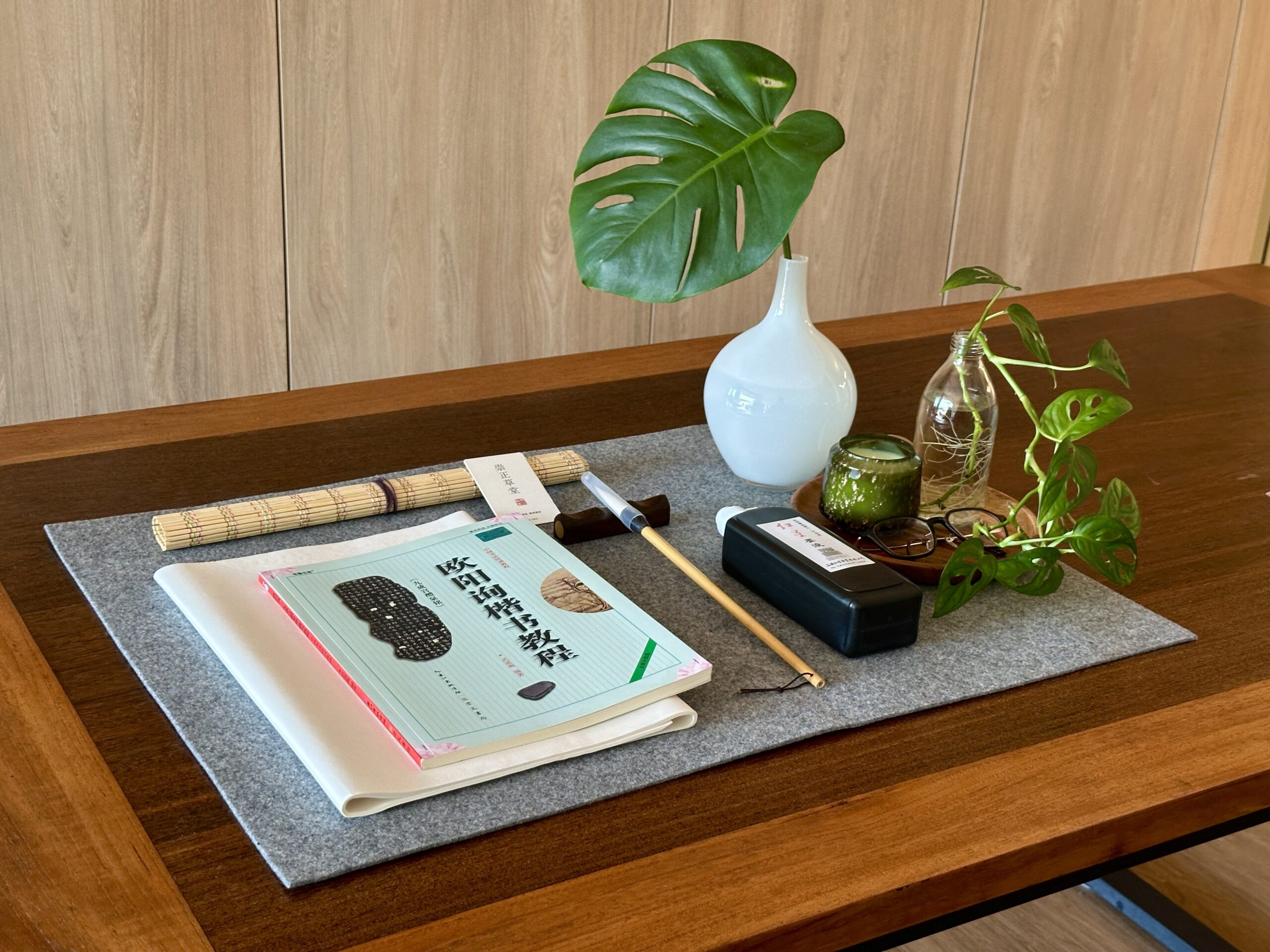
Getting to know and care for Chinese Calligraphy Ink, one of the Four Treasures in Chinese Calligraphy writings.
Chinese Calligraphy Ink
Understanding the materials used in calligraphy ink and observing proper storage and cleaning practices, calligraphers can maintain ink quality used and achieve beautiful results.
Ink Colours & Selection
Chinese calligraphy ink comes in various types and colors, each suited to different paper and purposes. Tracing back to the Zhou dynasty, the traditional black ink, derived from soot, is the most commonly used and is favored for its deep, rich hue. It works beautifully on rice paper, allowing the calligrapher to create expressive strokes that showcase both strength and delicacy. This ink is ideal for formal pieces, such as artwork or certificates, where clarity and impact are essential. In addition to black ink, colored inks have gained popularity in contemporary calligraphy.
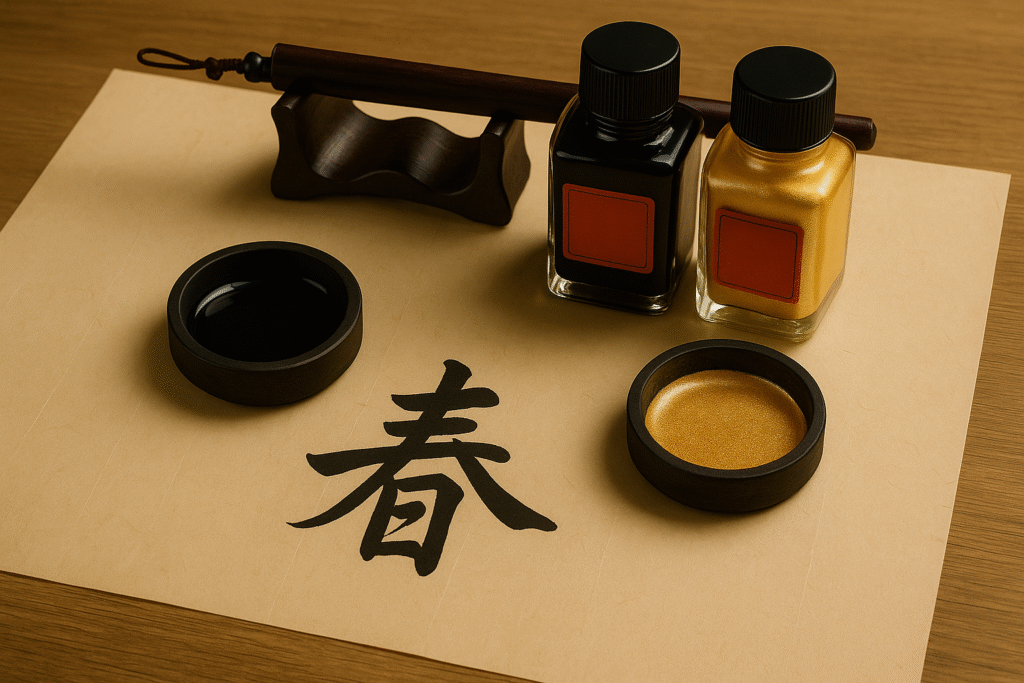
Colours are achieved with natural pigments which must water soluble yet waterproof when dried on paper. Using gold or red ink can add a vibrant touch, making it particularly well-suited for celebratory occasions, such as weddings or festivals. These inks often perform best on thicker papers, such as Xuan, which can absorb the vibrant tones while still allowing for optimal flow and expression of the brushwork.
Lastly, the type of ink chosen can also depend on the intended longevity of the piece. Water-based inks, commonly used for practicing or sketching, are easy to work with but may not hold up well over time. In contrast, oil-based inks offer greater permanence. Ideal choice for works intended for display and preservation, they ensure the vibrant colors and intricate details endure for generations.
Buy Accessories Now
Calligraphy Accessories Kit