
Chinese Calligraphy: A Cultural and Artistic Legacy
A Timeless Tradition
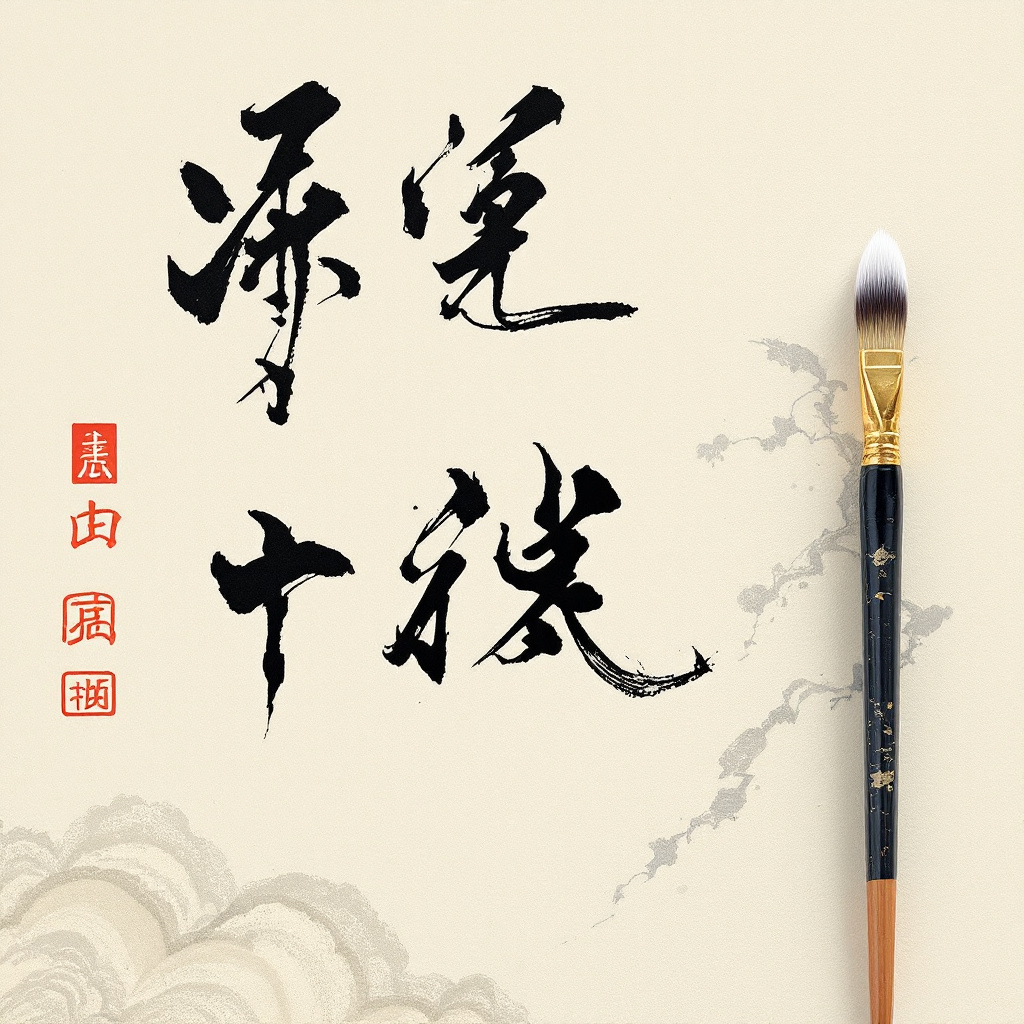
Chinese calligraphy, often referred to as the art of writing, extends far beyond mere charcters on a page. It embodies centuries of culture, philosophy, and history, deeply rooted in the very fabric of Chinese civilization. Originating over 2,000 years ago, this exquisite practice has evolved into a revered art form, transforming mundane script into compelling visual narratives. Each stroke in calligraphy is not just a representation of characters; it carries the weight of emotion, intention, and contemplation, allowing both the writer and the observer to connect with the essence of Chinese culture.
The Tools of the Craft
At the heart of Chinese calligraphy lies a unique set of tools, each playing a crucial role in the creation of this art form. The four treasures of the study — the brush, ink, paper, and inkstone — are essential for aspiring calligraphers. The brush itself varies in size and shape, suited for different styles, from the delicate yin to the bold yang. Quality ink, traditionally made from soot and animal glue, requires precise mixing with water to achieve the perfect consistency. Meanwhile, the paper, often handmade from mulberry bark or rice, absorbs ink differently, allowing for diverse expressive effects. Mastery of these tools enhances the artistry and depth of expression in every written piece.
Styles of Chinese Calligraphy
Chinese calligraphy encompasses several styles, each rich in its own history and character. The five main styles — Seal Script, Clerical Script, Regular Script, Running Script, and Cursive Script — offer a diverse range of expression to both the artist and the viewer. Seal Script, marked by its simplicity and boldness, was often used in ancient times for official seals. In contrast, Cursive Script emphasizes fluidity and spontaneity, encouraging free expression and personal interpretation. Each style invites a different interaction, allowing the observer to engage with the emotional and spiritual dimensions of the writing.
The Philosophy Behind the Strokes
Every stroke in Chinese calligraphy carries significant philosophical meaning, rooted in concepts such as balance, harmony, and the flow of qi (energy). Calligraphers often view their craft as a form of meditation, a way to channel their thoughts and emotions into the act of writing. The emphasis on breath control and body posture plays an essential role in influencing the energy transmitted through the strokes. This mindful practice not only shapes the physical appearance of the calligraphy but also imbues it with a sense of life and movement, reflecting the calligrapher’s inner state.
A Journey in Chinese Calligraphy for All
Chinese calligraphy is not just an art form; it is an invitation to explore a cultural legacy that spans millennia. Whether you are a seasoned artist or a curious beginner, immersing yourself in the practice of calligraphy offers an enriching experience that transcends language. As you pick up a brush and begin to explore the characters, you embark on a journey through history, philosophy, and personal expression. We encourage you to appreciate this art form, allowing its beauty and depth to resonate within you. Join the ranks of those who have found joy, reflection, and a sense of community through the splendid practice of Chinese calligraphy.