
Ancient Chinese Calligraphy: Evolution and Influence on Modern Styles
Origins of Ancient Chinese Calligraphy
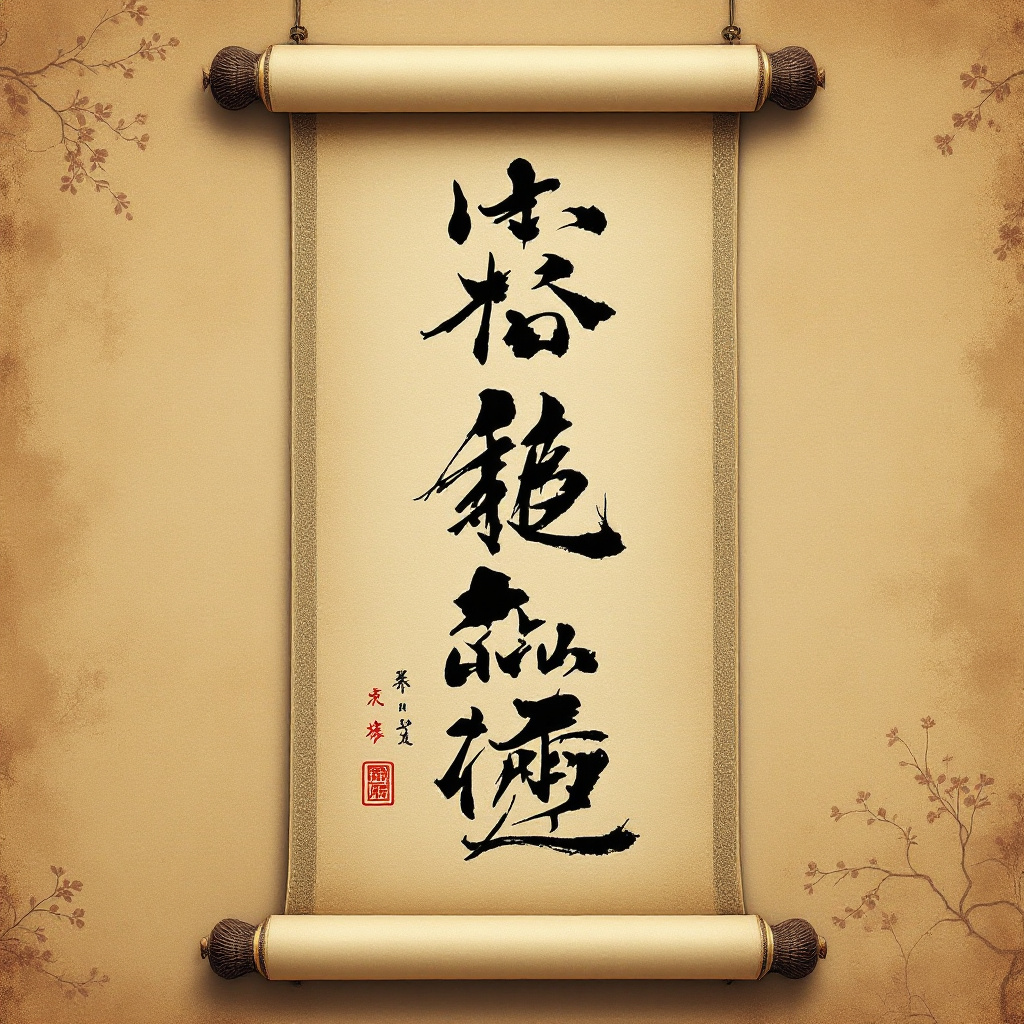
Ancient Chinese Calligraphy is one of the most revered art forms in Chinese culture, dating back thousands of years. It began as a functional system of writing but quickly evolved into an artistic discipline that reflected the philosophy, aesthetics, and cultural values of different dynasties. The earliest forms of Chinese writing, such as oracle bone script and bronze inscriptions, laid the foundation for later calligraphic styles. Over time, calligraphy became a medium for artistic expression, with each era refining and expanding its techniques.
Evolution of Chinese Calligraphy Through Dynasties
Chinese calligraphy has undergone significant transformations throughout history. The Qin Dynasty (221–206 BCE) standardized small seal script, making written communication more uniform. The Han Dynasty (206 BCE–220 CE) introduced clerical script, which simplified strokes and improved writing efficiency. By the Wei and Jin Dynasties (220–420 CE), calligraphy had become a highly respected art form, with Wang Xizhi, the “Sage of Calligraphy,” pioneering semi-cursive script. The Tang Dynasty (618–907 CE) saw the flourishing of standard script, while the Song Dynasty (960–1279 CE) encouraged more expressive and personal styles.
Roots of Cursive and Semi-Cursive Calligraphy
Cursive and semi-cursive Chinese calligraphy trace their origins to ancient calligraphic traditions. Cursive script (草书, cǎoshū) emerged during the Han Dynasty as a way to write quickly, simplifying strokes and connecting characters fluidly. It later evolved into wild cursive, a highly expressive style seen in the works of Zhang Xu and Huai Su. Semi-cursive script (行书, xíngshū) developed as a bridge between cursive and standard script, allowing for greater readability while maintaining artistic flow. This style was refined by Wang Xizhi, whose works remain influential today.
Ancient and Modern Calligraphy Styles
While ancient Chinese calligraphy laid the groundwork for modern styles, cursive and semi-cursive scripts have evolved to suit contemporary artistic and practical needs. Ancient scripts were often used for official inscriptions, religious texts, and scholarly works, whereas modern calligraphy is widely practiced for artistic expression and personal refinement. The fluidity of cursive and semi-cursive styles reflects the dynamic nature of Chinese calligraphy, preserving traditional techniques while adapting to modern aesthetics.
An inspiration for artistic mastery and cultural appreciation
Ancient Chinese Calligraphy continues to inspire calligraphers today, with cursive and semi-cursive scripts carrying forward its legacy. These styles embody the elegance, discipline, and cultural depth of Chinese writing, making calligraphy a timeless art form that bridges history and modern creativity. Whether studied for artistic mastery or cultural appreciation, Chinese calligraphy remains a profound expression of tradition and innovation.